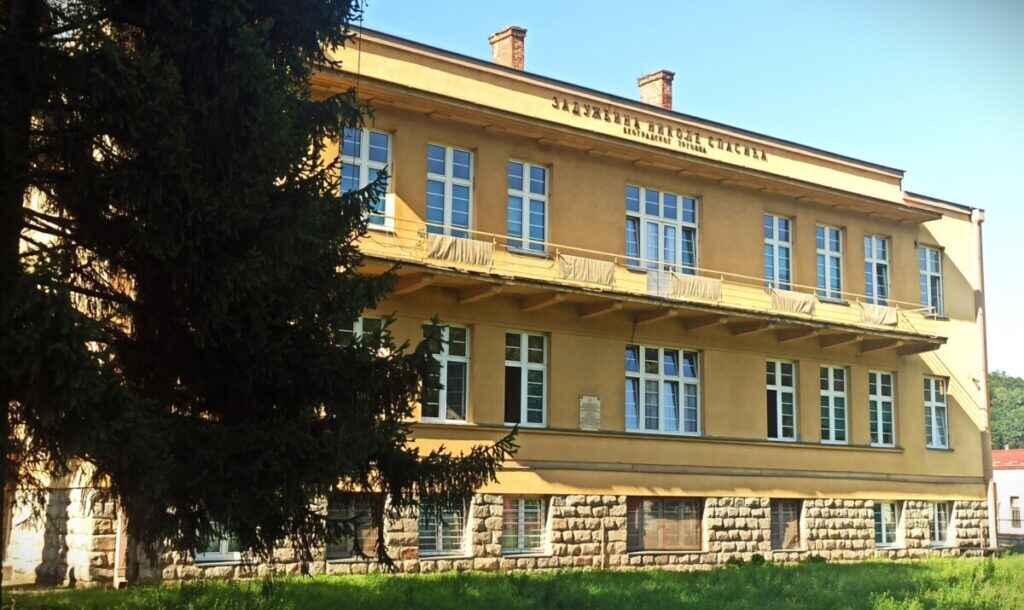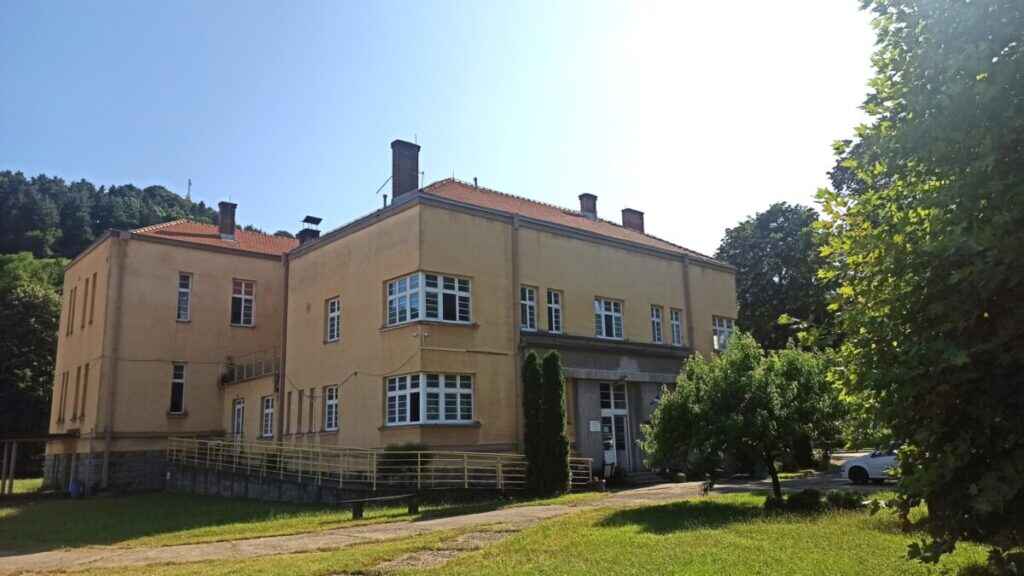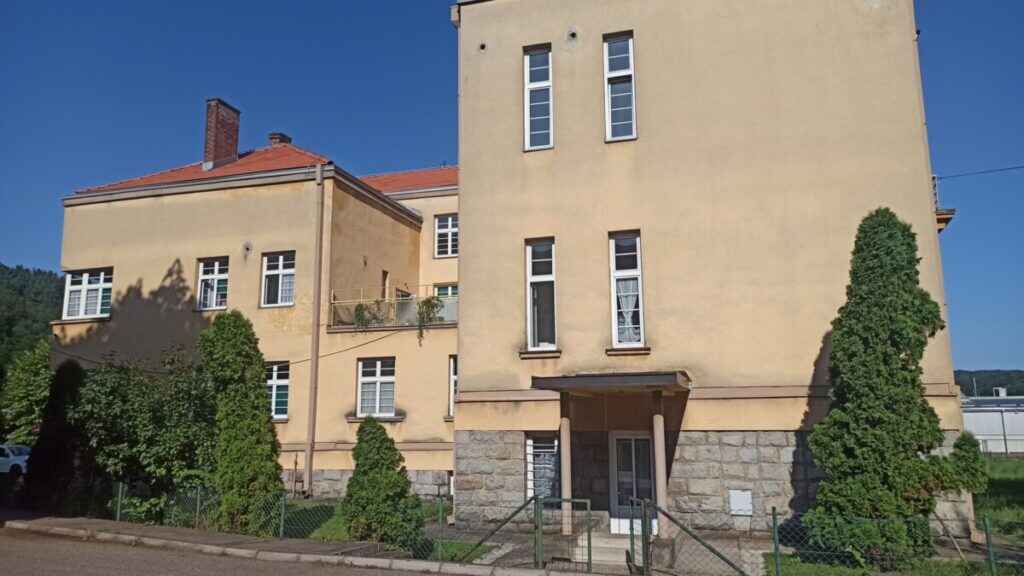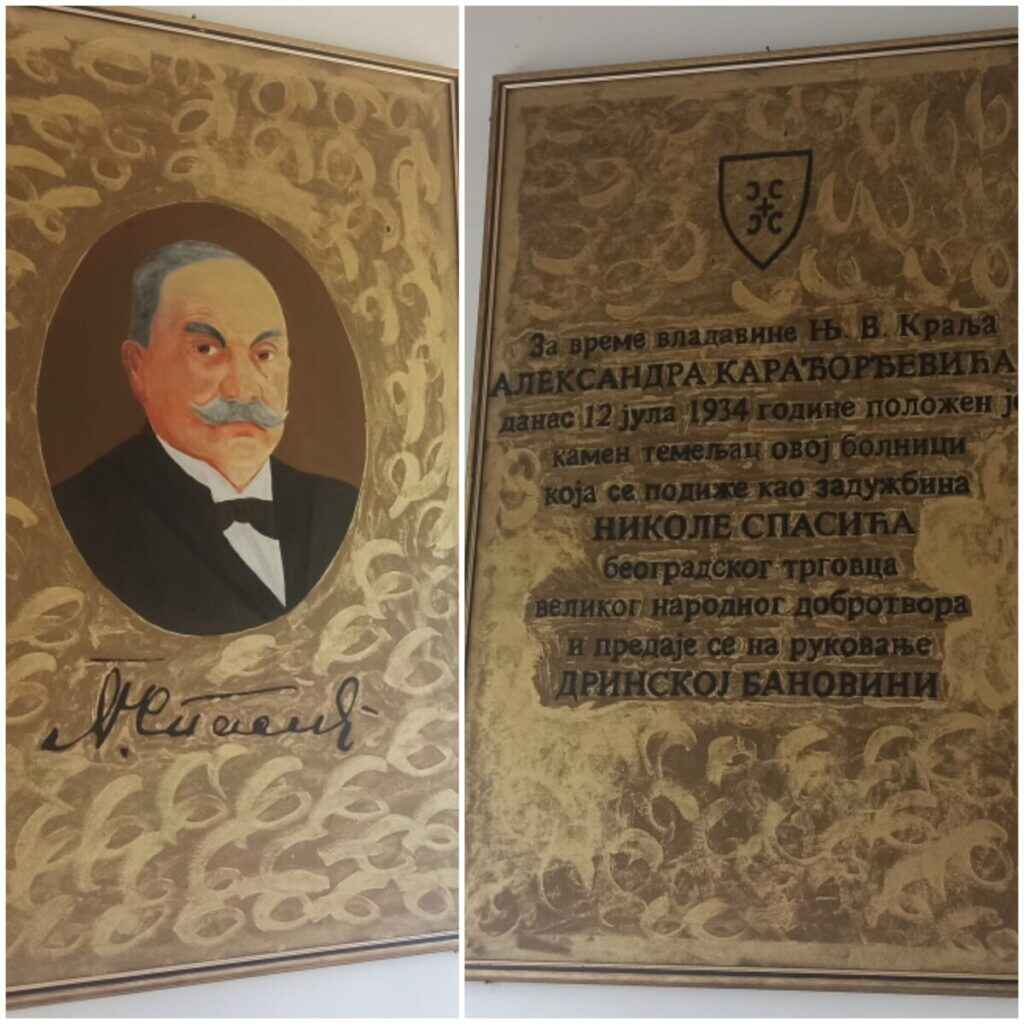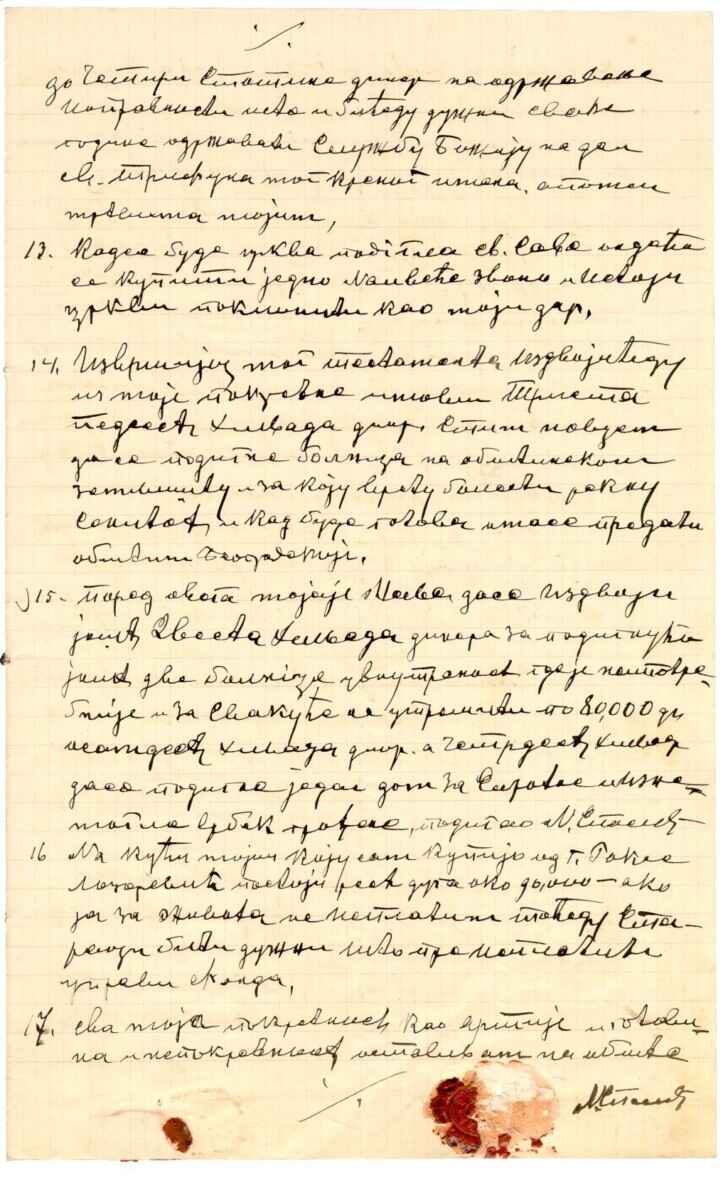
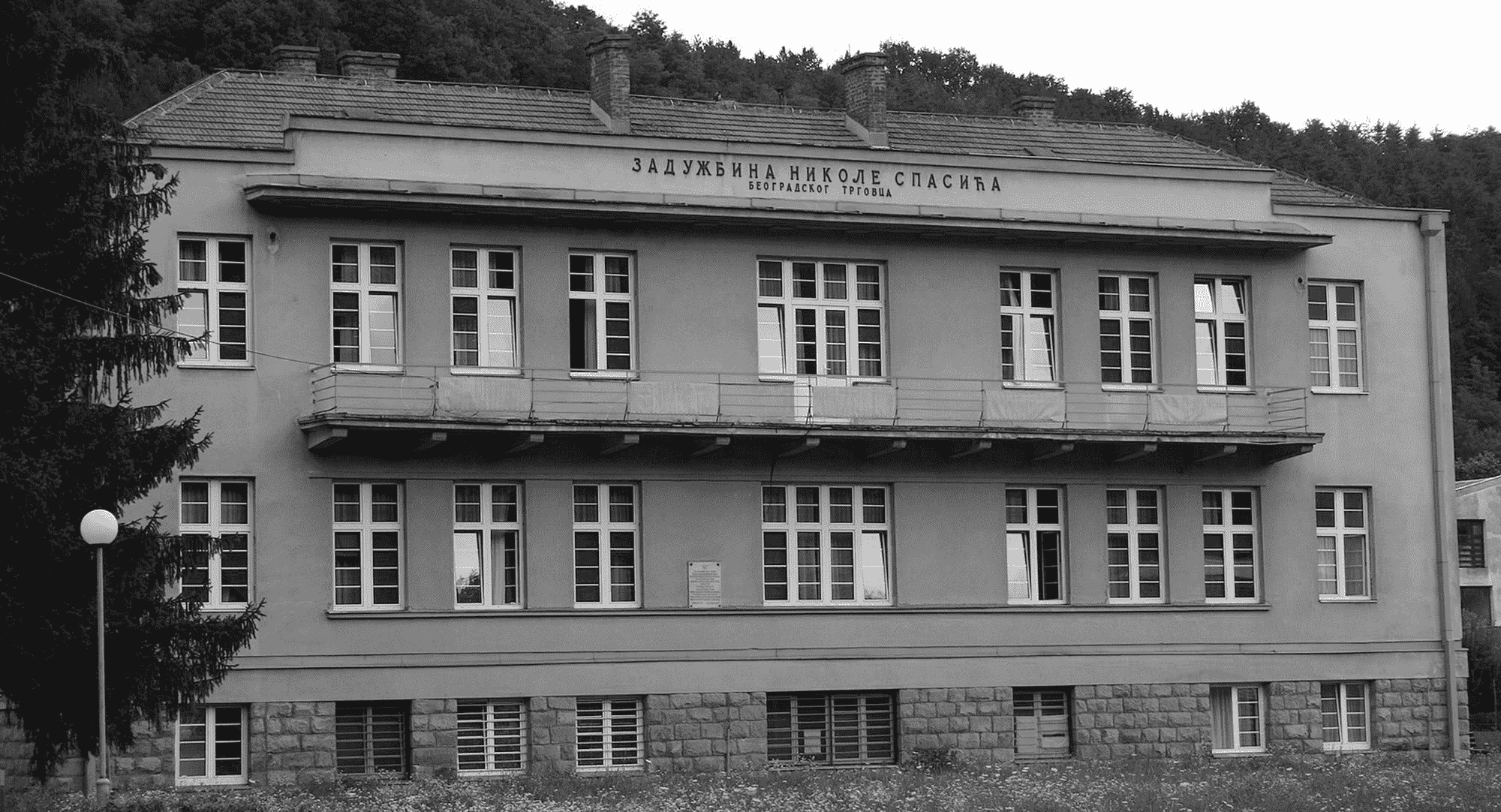
The building of the first hospital in Krupanj was constructed in 1938, fulfilling the testamentary wish of the well-known Belgrade merchant and benefactor Nikola Spasić. Hospital, enemy command post, maternity ward, home for the elderly — over eight and a half decades this building has changed its purpose and witnessed the most varied events and destinies of the local population. As a unique example of neo-Renaissance architectural style in this region, it is under state protection.
The need for a hospital in the interwar period in the Rađevski district was enormous. For this purpose the Endowment approved a credit of 1,250,000 dinars, and the municipality of Krupanj provided a spacious plot and free building timber from the municipal forest, sand and crushed stone from the municipal quarry, as well as labour from the municipalities of the Rađevski district to haul all materials.
The plans for the building, modelled on the hospital in Kumanovo, were approved by the technical department of the Drina Banovina in Sarajevo and by the Central Hygiene Institute, and the construction works were entrusted to Milenko Bosiljčić, a contractor from Požega. The foundation stone was solemnly laid on 12 July 1934, and the people gathered from Krupanj and the surrounding area praised the name of the benefactor Nikola Spasić, whose bequest made it possible for this remote and poor region to receive a hospital. Because of additional installation costs, funds for introducing central steam heating and protection against flooding, the Endowment approved a further credit of 758,539 dinars. The modern hospital building was opened in 1938, to the great joy of the people of Rađevina.
Only three years later, in the Second World War, because of its equipment and strategic suitability, it became a stronghold of the enemy military command. The German punitive expedition that burned Krupanj and shot all the male inhabitants found in the town expelled the patients and moved into the building, which was thereby saved.
In the period from 1 to 3 September 1941 this building witnessed the fierce battle for Krupanj. With joint forces, Partisans and Chetniks, attacking from different directions, succeeded in capturing and controlling the building. The Partisan Valjevo detachment, under the command of Žikica Jovanović Španac, attacked from the direction of Prljuge hill, while the Chetniks, led by Vlada Zečević and Lieutenant Ratko Martinović, operated from the direction of Đulim hill. Defending the hospital was the 10th Company of the 724th Regiment, commanded by Captain Seifert — according to historian Mladen Stefanović.
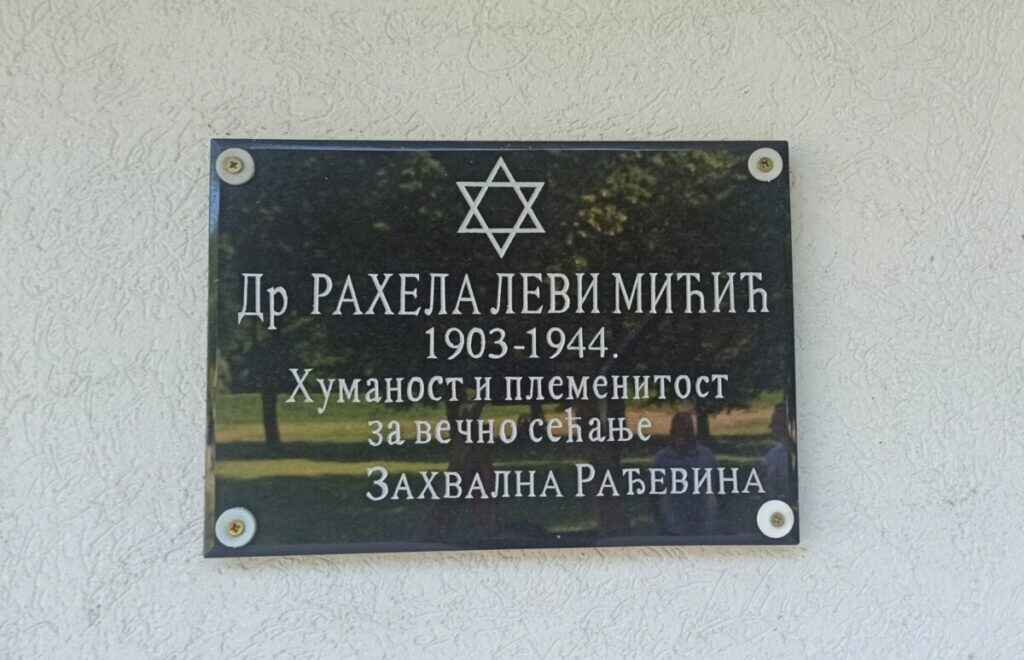
In the annals of the Nikola Spasić Endowment the tragic fate of Rahela Levi Mićić has remained recorded — a doctor of Jewish origin and director of the hospital. Her expertise and devotion to patients, and later her courage and resolve as a surgeon in the Partisan hospital in Krupanj, were punished by the occupiers.
The Nazis took Rahela and her family to the camp in Šabac, and then transferred them to the terrible Banjica camp. At the beginning of October 1944 Rahela was shot together with her four-year-old daughter Vera. This loss was an ineffable tragedy for the whole community. In honour of her courage and dedication, a plaque bearing her name was unveiled in 2013 at the Health Centre in Krupanj — the historian relates.
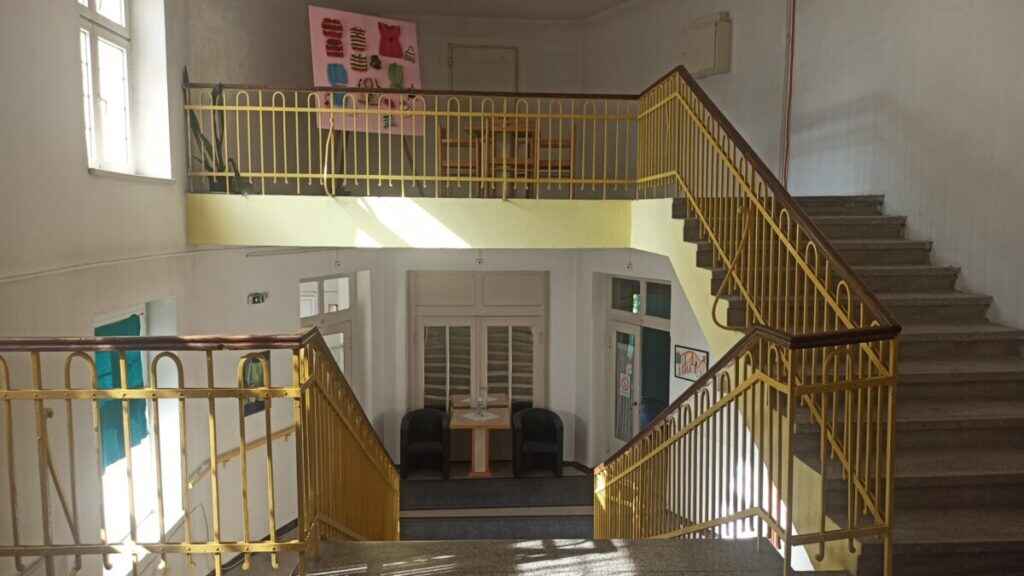
In the last years of its work as a health institution, the Nikola Spasić endowment also functioned as a maternity ward. In 1981, only some twenty metres away, the newly built Health Centre in Krupanj was opened, creating conditions for the expansion of the health centre and the relocation of hospital capacity. The hospital building was converted in 1998 into a residential unit for the elderly and pensioners within the Centre for Social Work in Krupanj.
Over 85 years of existence the Nikola Spasić endowment in Krupanj has changed its roles, yet it has remained faithful to the original vision of a man who invested his life and wealth in the noble intention of helping those in need.
From the series “HERITAGE OF KRUPANJ”.
(Text taken from the Facebook page Distrikt)