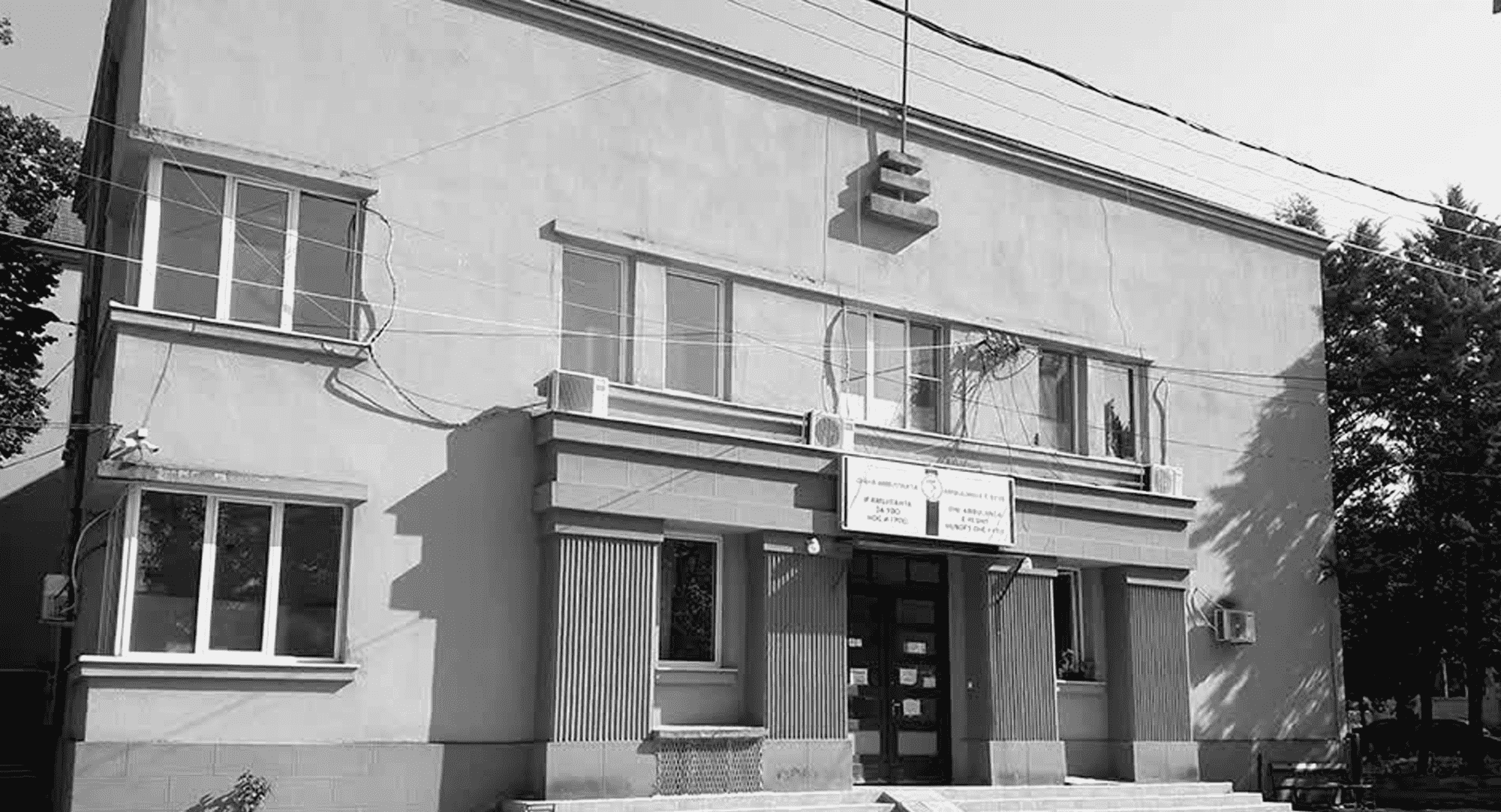
The first Kumanovo hospital — an endowment of the Belgrade merchant Nikola Spasić
Suzana Nikolić
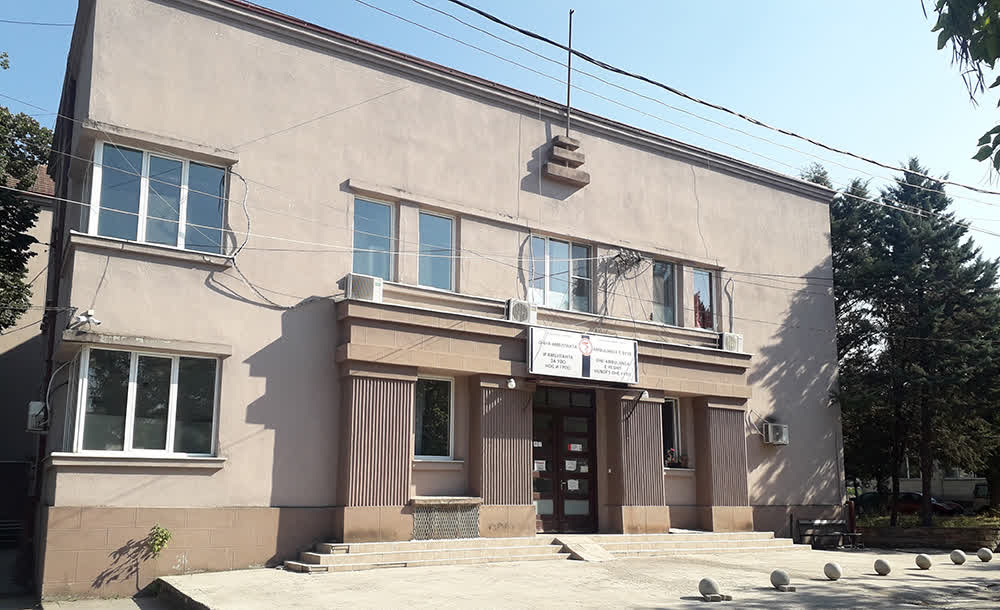
On one wall of the façade of the so-called “Old Hospital” one can still read “Endowment of the Belgrade merchant Nikola Spasić”, as testimony to a bygone era in the development of Kumanovo.
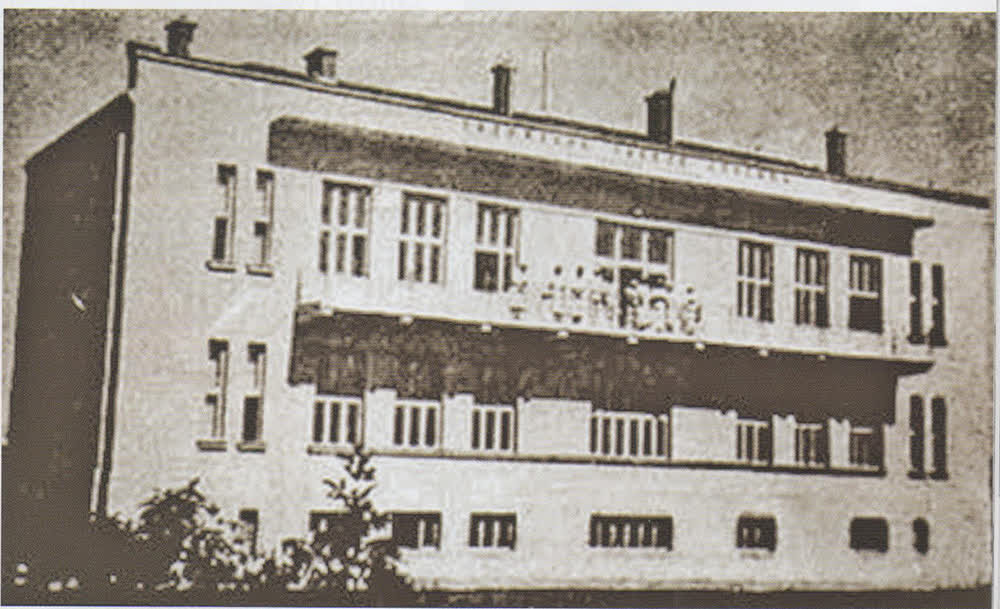
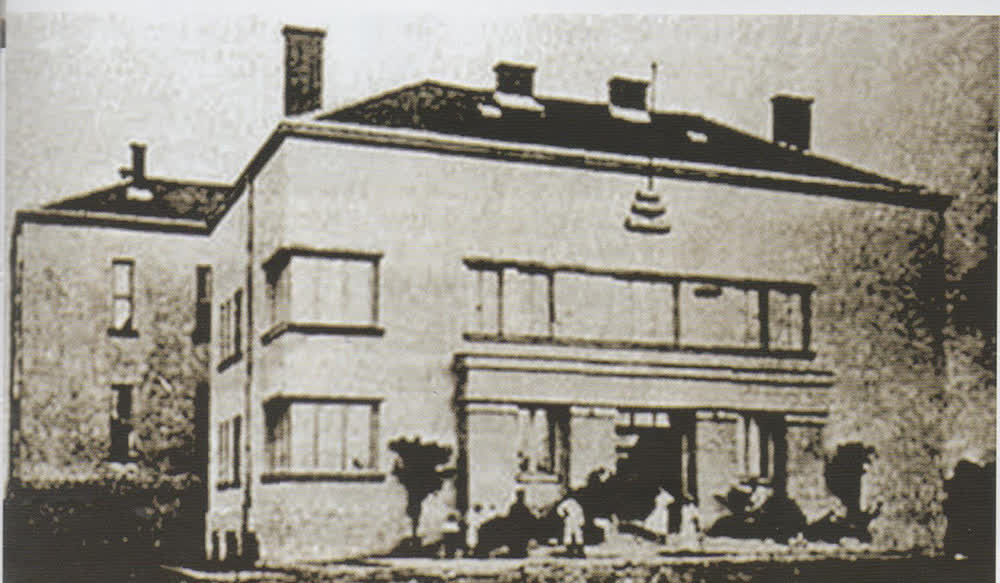
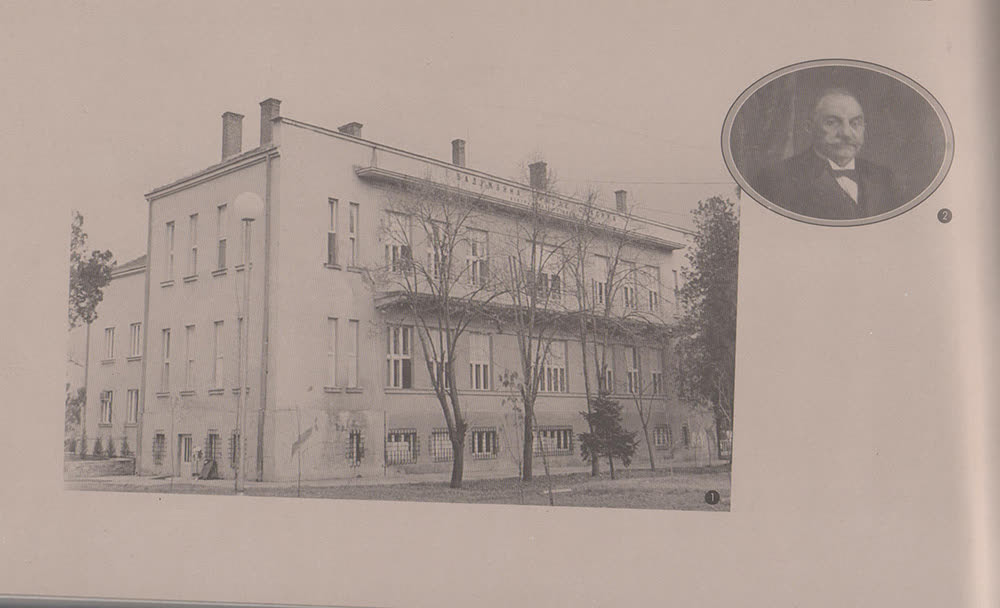
The first City Hospital in Kumanovo was built with the funds of the well-known Belgrade merchant Nikola Spasić. In his will he expressed the wish that two hospitals be built in the interior of the state of that time. Thus, eighteen years after his death, the Governing Board of the Nikola Spasić Endowment decided that Kumanovo should receive a public health institution for the needs of its citizens. The building was completed and put into use in 1935, with strong support from the municipal authorities and the population.
In the 1920s Kumanovo was a small town of some fifteen thousand inhabitants, with an underdeveloped economy, unresolved communal problems, weak health care, and many diseases and pandemics arising from poverty. Because of unresolved water supply, citizens obtained drinking water from seventeen fountains, but poor quality and lack of hygiene were the cause of frequent stomach illnesses and typhoid, and tuberculosis had also taken hold. The health of the population was cared for by several doctors in modest private surgeries, but there was no form of hospital or inpatient facility for treating patients. The municipal authorities did not have the capacity to solve this problem alone, so the news of the decision of the Nikola Spasić Endowment to build a hospital in Kumanovo was welcome and received with enthusiasm, for it was a chance to begin solving one of the community’s greatest problems. Their only obligation was to provide the plot on which the hospital would be built.
“The most suitable plot and location for the construction of the Kumanovo hospital was chosen as the one to the right of the road leading to Kumanovo Railway Station, which after the Municipality’s regulatory plan had been designated for a sports and recreation centre, and on which stood the City Park and the sports shooting range. The owner of this land on the outskirts of the town was the Waqf Sharia Vicariate in Kumanovo, because a Muslim cemetery had formerly been located there. Because of the shared interest that was foremost, an agreement was reached on the change of land use. The Municipality of Kumanovo paid the Vicariate for the land for the hospital construction the sum of 25,000 dinars and 47 hectares of the most fertile land in the cadastral area of the village of Režanovce. The total area of the said land that the Municipality of Kumanovo provided for the hospital amounts to 5 hectares and 273 square metres,” writes chronicler Dimitar Masevski in the monograph “The Splendour of Times Past”.
The foundation stone of this strategic building was laid on 25 September 1933, but because of a harsh winter works stopped at the first slab and continued in the spring of the following year. In the intensive building works the citizens of Kumanovo made a great contribution through physical labour and voluntary donations. By the end of August 1934 the new city hospital was ready, and it was put into use on 16 June 1935.
“In September (19, 20 and 21) 1934 the technical inspection was carried out and the hospital was handed over for administration, until the solemn consecration and staffing with appropriate medical personnel, to the district physician Dr Jovan Lazarević, who was appointed its first director. At the solemn consecration of this, for the circumstances of the time, magnificent building in Kumanovo, besides all the municipal officials, the wife of Nikola Spasić, Anastazija Spasić, was also present. On the front wall at the entrance to the building an oil portrait of Nikola Spasić was placed, and on the eastern side of the building above the terraces beneath the cornice was written ‘Endowment of the Belgrade merchant Nikola Spasić’,” writes Masevski.
The grounds around the hospital also began at once to be laid out and improved: a grove of black locust was planted, as well as horse chestnuts and pine plantings, a small basin was built in the middle of the park, and the entire hospital courtyard was enclosed with wire fencing.
During the Bulgarian occupation from 1941 to 1944 the hospital continued its primary activity, and the courtyard was arranged and received its present appearance. Along the street a tree line was planted as a protective zone against noise and dust from the road. Other buildings were constructed after the liberation of the country.
By building the hospital in Kumanovo, Nikola Spasić helped not only the inhabitants of the Kumanovo region but the whole southern part of the then Kingdom of Yugoslavia. This building remains today one of the finest within the grounds of the Kumanovo Hospital.
On the occasion of the celebration of 500 years of its existence, the Municipality of Kumanovo awarded the family of Nikola Spasić a plaque for special achievements in the development of the town.
(Source: KumanovoNews, author of the text: Suzana Nikolić)